
Gym Maintenance Checklist for Daily, Weekly, and Annual Care
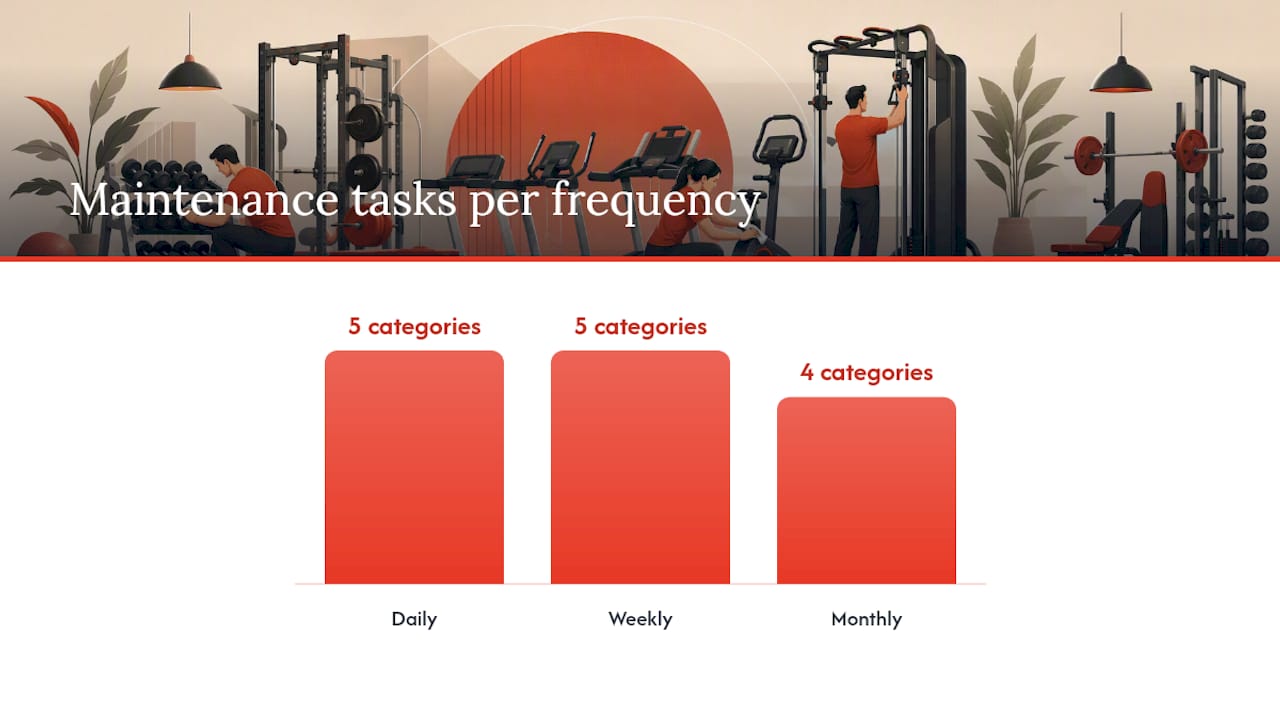
Use this checklist to run a safe, practical maintenance round every day, then layer in scheduled preventive maintenance (PM) weekly, monthly, quarterly, and annually. Every routine follows the same pattern: inspect, clean, isolate anything unsafe, and log it.
Do this before you open (or right after close):
- Wipe down every high-touch surface and restock disinfectant wipes at each station.
- Test emergency exit doors and confirm exit lighting works.
- Scan for loose bolts, torn upholstery, frayed cables, and unsecured mirrors.
- Tag and isolate anything unsafe with a visible “Do Not Use” sign, then log it immediately.
Keep your manufacturer manuals on hand (digital or printed) and label every asset with an ID number, serial number, and install date. That labeling system is what makes a “do not use” tag mean something instead of just a piece of paper on a machine.
Pro Tip: Take a photo of the defect the moment you tag it. A picture attached to the work order saves your technician a return trip and gives you proof for warranty claims.
Key Takeaways
A reliable gym maintenance program combines daily safety checks, weekly inspections, monthly preventive tasks, and quarterly professional service, all backed by a logging system that turns findings into completed work orders.
PointDetails
Run daily checks every shift
Assign the 10 to 20 minute round to opening/closing staff, not to whoever has spare time.
Weekly rounds prevent most failures
A 15-minute weekly routine catches roughly 90% of common equipment problems before they escalate.
Follow OEM specs, not habit
Use manufacturer torque specs and approved lubricants; wrong cleaners can void warranty coverage.
Log every defect with photos
Capture asset ID, inspector, pass/fail status, and corrective action for every flagged issue.
Shift toward usage-based triggers
Pilot condition- or usage-based maintenance on your highest-use equipment before scheduling by calendar alone.
Table of Contents
- What Should a Daily Gym Maintenance Checklist Include?
- How Do You Run a Weekly Equipment Inspection?
- What Belongs on a Monthly Maintenance Checklist?
- When Do You Need a Professional Equipment Inspection?
- Equipment-Specific Maintenance Tasks by Category
- Which Cleaning Supplies Are Safe for Gym Equipment?
- How Do You Log and Track Gym Maintenance Records?
- Time-Based vs. Usage-Based vs. Condition-Based Maintenance
- The Editorial Take: Why Most Gym Maintenance Programs Fail on Discipline, Not Design
- Frequently Asked Questions
- Sources
What Should a Daily Gym Maintenance Checklist Include?
A daily round takes a short amount of time, typically between ten and thirty minutes and should be run by whichever staff member opens or closes the floor, not left for “whoever has time.” Assign it to a shift, not a person, or it quietly disappears during busy weeks.
Here’s the sequence that works on a real gym floor:
- Wipe high-touch surfaces. Handles, seats, screens, and grips get sanitized, and wipe dispensers get restocked at every station, not just the ones near the front desk.
- Check emergency exits and lighting. Confirm exit doors open freely and exit signage is lit. This takes 90 seconds and it’s the check most likely to get skipped.
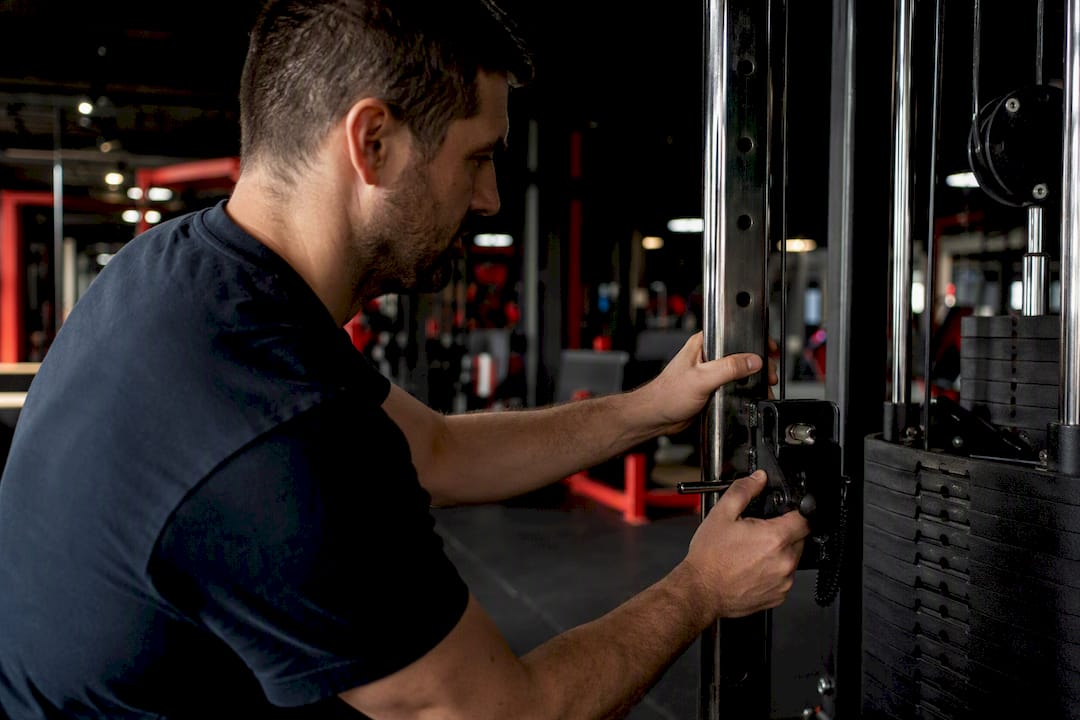
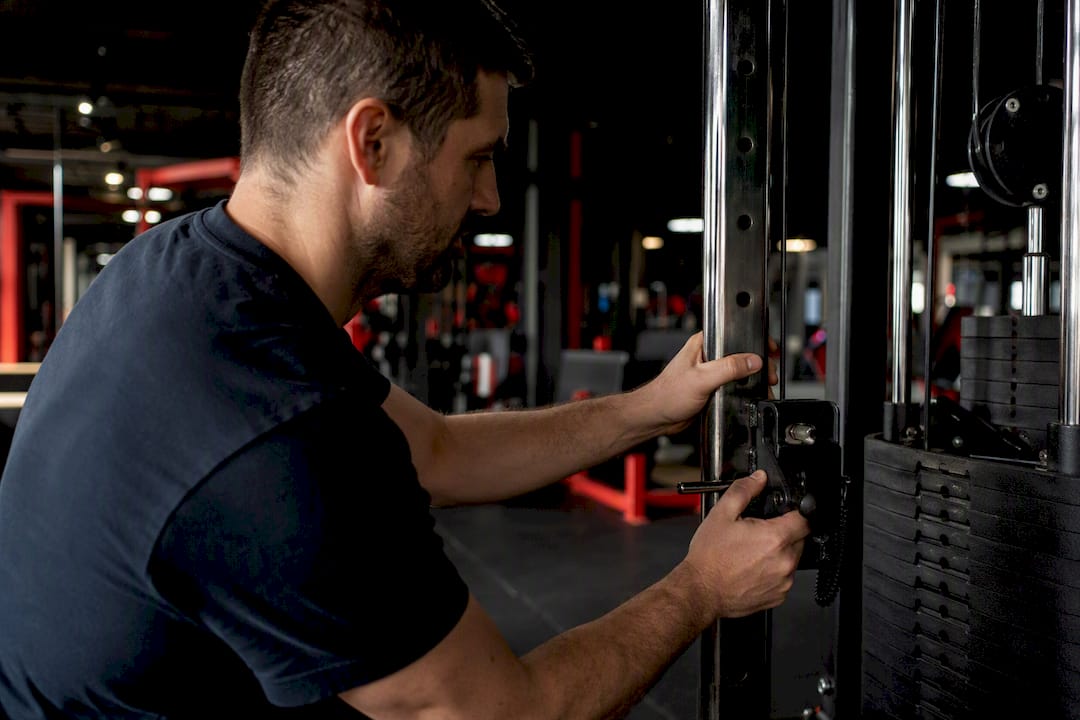
- Scan for loose hardware. Walk the floor and press on bolts at rack joints, bench frames, and cable stack housings. Anything that shifts under hand pressure gets flagged.
- Check upholstery and cables. Look for tears in bench pads and seat covers, and check exposed cables for fraying near the pulleys.
- Verify plates and attachments are secure. Loose collars, unsecured mirrors, and unracked plates on the floor are injury risks, not just clutter.
- Tag, isolate, and log. Anything that fails inspection gets a visible tag, gets physically blocked or moved out of use, and gets entered into the maintenance log with the date, asset ID, and description of the issue.
The NSCA’s safety checklist for exercise facilities treats this daily sweep as a hazard-identification tool, not a cosmetic chore. That framing matters. A daily check is your primary defense against liability, not just a way to keep the gym looking clean for members walking in.
Pro Tip: Give your daily checklist a hard time limit. If a task can’t be done in 20 minutes, it belongs on the weekly list instead. Daily checks that run long get abandoned first.
How Do You Run a Weekly Equipment Inspection?
A weekly round goes deeper than the daily wipe-down. It’s a full walk of the floor, section by section: free weights, selectorized machines, cardio, and studio space, checking for the wear that a quick daily glance misses.
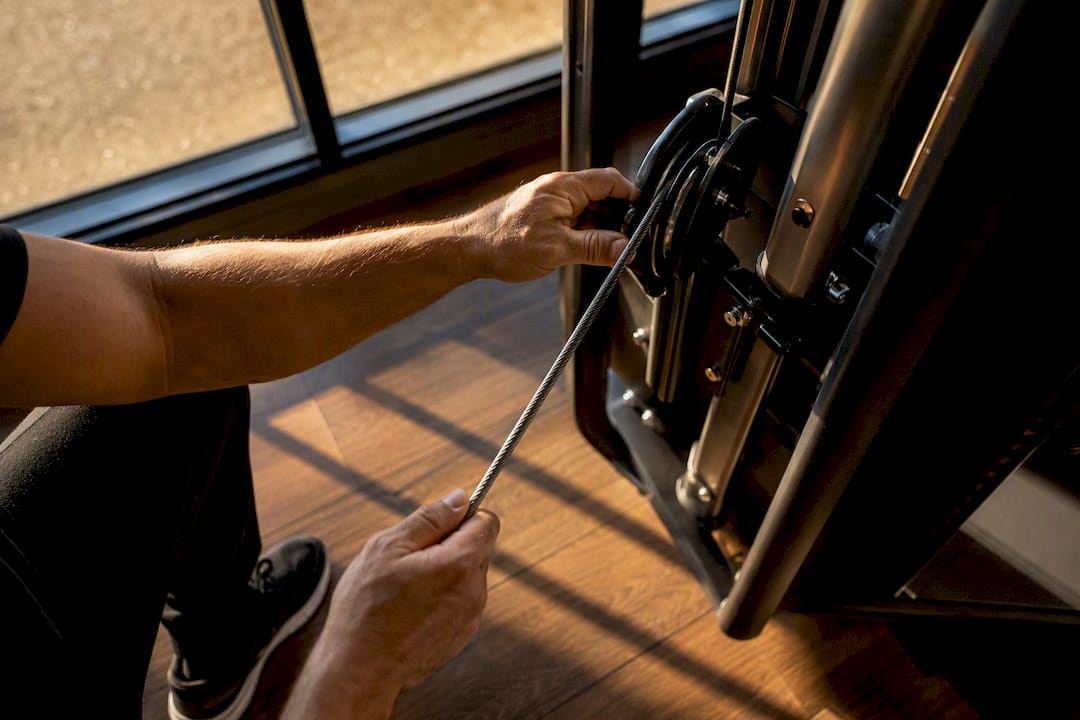
On selectorized and cable equipment, pull each cable through its full range and look for fraying near the pulleys, then check that guide rods are clean and that selector pins seat fully into the weight stack (a pin that doesn’t seat flush is a dropped-weight injury waiting to happen). Test safety stops on racks and benches by hand before anyone loads weight onto them that day.
On cardio, vacuum under motor covers, where dust buildup is the single biggest cause of overheating shutdowns, and check belts for uneven wear or slipping at the edges.
Walk the flooring seams looking for separation or curling, which turns into a trip hazard fast in a busy studio.
- Free weight area: collars, plate trees, and rack uprights for stability
- Cable and selectorized machines: cable fraying, pulley alignment, pin seating
- Cardio bank: motor housing dust, belt tracking, console function
- Flooring: seam separation, curling edges, embedded debris
Every finding from the weekly round should convert into a work order, not stay as a note on a clipboard. If a cable shows fraying but isn’t dangerous yet, log the observation with a date and a “monitor” status so you can track how fast it’s degrading. According to Garage Gym Builders, a disciplined weekly routine of around 15 minutes per station prevents the majority of common equipment problems gyms deal with, mostly because it catches wear before it becomes failure.
What Belongs on a Monthly Maintenance Checklist?
Monthly tasks need more time and at least basic tools, so schedule them during off-peak hours or a slow morning rather than trying to squeeze them into a normal shift.
- Lubricate guide rods and barbell shafts correctly. Guide rods take a silicone-based lubricant, never oil-based lubricant, because oil attracts dust and builds sludge that accelerates wear on the rails. Barbell shafts get a light coat of 3-in-1 oil worked into the knurling and sleeve seams.
- Clean and condition upholstery. Mild soap and water on bench pads and seat covers, never harsh solvents that dry out vinyl and cause cracking.
- Retorque bolts to manufacturer specification. Rack joints, bench frame connections, and cardio deck mounts all loosen slightly with vibration over time. Life Fitness publishes torque specs by model, and following those numbers instead of “hand tight” is what keeps a warranty valid.
- Vacuum cardio deck housings. Dust and lint inside the motor compartment is the leading cause of avoidable motor failure on treadmills.
- Inventory consumables and reorder parts. Wipes, lubricant, cleaning solution, and common replacement parts like cables and belts should never run out mid month.
- Inspect bearings and belts for wear. Listen for grinding or squealing during operation, both early warning signs that a part needs replacing before it fails during a member’s workout.
When Do You Need a Professional Equipment Inspection?
Quarterly checks call for a certified technician, especially on cardio equipment, where diagnostic tools reveal motor issues that a visual inspection can’t catch. A tech should run diagnostics on treadmill and elliptical motors, inspect pulley bearings for play, and evaluate cables against replacement thresholds rather than waiting for visible fraying.
- Cardio motor diagnostics using manufacturer-specified test procedures
- Pulley bearing play and lateral movement checks
- Cable wear assessment against OEM replacement thresholds
- Full lubrication service on components staff routines don’t reach
Annual audits go further: frame and weld inspections on racks and benches, a full treadmill deck service including belt and deck replacement if needed, and a comprehensive parts review that feeds directly into next year’s capital equipment budget.
Commercial equipment guidance from Power Fitness Equipment frames this as a five-step cadence, daily cleaning, weekly inspection, monthly deep maintenance, quarterly technician review, and annual audit, and ties disciplined follow-through directly to lower replacement costs and better member retention.
The repair-versus-replace decision usually comes down to one comparison: cost to fix against remaining useful life. A $200 belt replacement on a treadmill with five years of life left is an easy yes. A $200 motor repair on a unit that’s already had two prior motor failures is a sign it’s time to plan for replacement instead.
Equipment-Specific Maintenance Tasks by Category
Different equipment categories fail in different ways, so a single generic checklist misses details that matter for each one.
Barbells need weekly knurling brushes with a bronze or nylon brush to clear chalk buildup, followed by a monthly oiling routine: brush the knurling, apply 6 to 8 drops of 3-in-1 oil along the shaft and spread it evenly, then add 2 to 3 drops into each sleeve seam and spin the sleeves to work the oil in. Store bars horizontally on a rack, never leaning against a wall where the finish can warp under uneven pressure.
Racks and benches need monthly bolt checks at every frame joint, torqued to spec rather than just snugged by hand, plus a visual pad inspection. Replace pads once foam compresses to the point where you can feel the frame through it, that’s the threshold where padding stops protecting anyone.
Selectorized and cable machines need a weekly visual check on cable condition, especially at pulley contact points where fraying starts, and a quarterly pulley lubrication service using a light machine oil made for bearing surfaces.
Cardio equipment needs a daily console wipe, a monthly deck vacuum to clear motor housing dust, and belt lubrication on a manufacturer-set interval, usually every 3 to 6 months depending on usage volume. Check belt alignment monthly, since a belt that’s drifted off-center wears unevenly and shortens deck life.
Flooring gets a daily sweep to clear chalk dust and debris, plus a weekly deep clean with a neutral-pH cleaner, never bleach or abrasive scrubbers, which break down rubber flooring over time.
EquipmentDaily TaskWeekly TaskMonthly Task
Barbells
Wipe down after use
Brush knurling
Oil shaft and sleeves
Racks and benches
Visual safety check
Inspect pads for wear
Torque bolts to spec
Cable machines
Wipe handles and seats
Inspect cable for fraying
Lubricate pulleys (quarterly)
Cardio equipment
Wipe console and handles
Check belt tracking
Vacuum motor housing
Flooring
Sweep debris
Deep clean with neutral cleaner
Inspect seams for separation
Pro Tip: A quick check that most gyms skip: measure belt deflection on cable machines. If it deflects more than 3/8 inch under about 10 pounds of hand pressure, that’s a fail, not a “watch it” note.
Which Cleaning Supplies Are Safe for Gym Equipment?
The right product depends entirely on the surface, and using the wrong one is one of the fastest ways to void an equipment warranty. Life Fitness notes that many OEM warranties specifically exclude damage caused by improper cleaning agents, so this isn’t a minor detail.
Stick to these:
- Silicone-based spray for guide rods and rails, never oil-based lubricant, which attracts dust and creates sludge.
- 100% silicone lubricant for treadmill belts, applied to the underside per the manufacturer’s interval.
- 3-in-1 oil for barbell shafts and sleeves, in small quantities worked in by hand.
- Neutral-pH cleaner for rubber flooring and upholstery, diluted per label instructions.
Avoid these entirely:
- Bleach, which breaks down rubber flooring and degrades vinyl upholstery over time.
- High-alcohol wipes on vinyl surfaces, which dry and crack the material with repeated use.
- Oil-based lubricants on guide rods, for the same dust-attraction problem noted above.
Store all chemical supplies in a ventilated area away from direct sunlight, and keep PPE, gloves and eye protection at minimum, accessible wherever staff handle concentrated cleaning solutions.
How Do You Log and Track Gym Maintenance Records?
A maintenance log only works if it captures the right fields every time: asset ID, model and serial number, inspector name, usage hours if tracked, pass or fail status, a photo, and the corrective action taken. According to eWorkOrders, a checklist without pass/fail criteria and sign-off fields isn’t really auditable, it’s just a list of tasks someone claims to have done.
A computerized maintenance management system (CMMS) matters because it does what a paper log can’t: it proves warranty compliance with timestamped records, flags recurring failures on the same asset before they become a pattern you notice too late, and triggers PM automatically instead of relying on someone remembering. IBM’s overview of preventive maintenance frames this shift, from calendar-only checklists to data-triggered maintenance, as the difference between reactive and predictive operations.
Start small: a mobile checklist app for daily and weekly rounds, then pilot a full CMMS on your ten highest-use assets before rolling it out floor-wide. A platform like Fitness Flow folds this into the same system you’re already using for scheduling and member management, so maintenance logs, analytics, and automated reminders live next to the rest of your operations instead of in a separate app nobody checks.
- Required log fields: asset ID, serial number, inspector, usage/hours, pass/fail, photo, corrective action
- CMMS benefits: warranty documentation, failure-pattern detection, automated PM triggers, parts inventory tracking
- Rollout order: mobile checklist first, then pilot CMMS on your ten busiest machines
Pro Tip: Pilot your CMMS on the equipment that fails most often, not your newest gear. That’s where you’ll see the fastest proof that digital tracking is worth the switch.
Time-Based vs. Usage-Based vs. Condition-Based Maintenance
Most gyms default to time-based PM, lubricate the treadmill belts every quarter, check bolts every month, because it’s easy to schedule. The problem is that a treadmill running 14 hours a day and one running 2 hours a day don’t wear at the same rate, and a fixed calendar treats them identically.
Usage-based maintenance triggers service after a set number of hours or sessions instead of a set number of weeks. Condition-based maintenance goes further still, triggering service based on a measurable signal, unusual vibration, rising noise, belt slippage, rather than a schedule at all.
Reliability Magazine makes the case plainly: programs that stay purely time-based and treat maintenance as a box to check tend to be less reliable than programs that shift toward usage or condition triggers. The recommended way in is to pilot usage-based tracking on one equipment category, your treadmill bank is the obvious choice, since it usually sees the heaviest use, and measure whether failure rates drop before expanding the approach floor-wide.
Whichever trigger you use, write checklist items with measurable pass/fail criteria instead of vague instructions. “Check belt tension” is vague. “Belt deflection between 1/4 inch and 3/8 inch under 10 pounds of pressure, fail if outside range” is a standard anyone on staff can apply the same way.
The Editorial Take: Why Most Gym Maintenance Programs Fail on Discipline, Not Design
Most gyms don’t fail at maintenance because they lack a checklist. They fail because the checklist exists on paper but nobody owns the follow-through. I’d argue the conventional advice here gets the emphasis backward: articles obsess over what to inspect and barely mention who’s accountable for turning a flagged defect into a completed repair.
The real gap is between logging a problem and closing it out. A frayed cable noted in week one and still frayed in week six isn’t a maintenance failure, it’s an accountability failure, and no checklist template fixes that on its own.
Small gyms don’t need to outsource this to be reliable. What they need is a short daily round with a hard time limit, a weekly inspection that actually converts findings into work orders instead of notes, and a simple digital log that makes it obvious when something’s been open too long. That’s a system a two-person facilities team can run without a full-time technician on staff, provided the tracking makes gaps visible instead of easy to ignore.
Frequently Asked Questions
How often should gym equipment be inspected? Run a daily check on every piece of equipment for obvious hazards, a deeper weekly inspection for wear on cables, pulleys, and flooring, monthly preventive tasks like lubrication and bolt torque checks, and a quarterly or annual professional review for motors, bearings, and frame integrity.
What should be included in a gym cleaning checklist? A gym cleaning checklist should cover daily wipe-downs of high-touch surfaces, weekly deep cleaning of upholstery and flooring with a neutral-pH cleaner, and monthly conditioning of pads and vinyl. Avoid bleach and high-alcohol wipes, which degrade rubber and vinyl over time.
Who should perform gym equipment maintenance? Daily and weekly checks can be handled by trained staff following a standardized checklist. Quarterly diagnostics on cardio motors and annual frame or weld inspections should go to a certified technician familiar with the manufacturer’s specifications.
What is a preventive maintenance checklist for gym equipment? It’s a structured, recurring inspection and service schedule, daily, weekly, monthly, quarterly, and annual tasks, with measurable pass/fail criteria, required fields for logging results, and a clear escalation path when equipment fails inspection.
How do you know when to repair versus replace gym equipment? Compare the cost of the repair against the equipment’s remaining useful life. A low-cost fix on equipment with years of service left is worth doing. Repeated failures on the same component, especially motors, usually signal it’s time to plan for replacement instead.
Sources
- Reliability Magazine — Preventive maintenance guide
- Garage Gym Builders — How to clean gym equipment
- NSCA — Safety checklist for exercise facility and equipment maintenance
- Life Fitness — Strength maintenance schedule and guidelines
- IBM — Preventive maintenance overview