27% Retention, 12 Hours Saved: Workout Programming for Gym Operators

Workout programming for gyms means the features inside your gym management software that create, schedule, deliver, and track member workout plans, not a workout routine you’d hand an individual client. The strongest setup pairs an integrated platform with a branded member app, so programs move from design to delivery to tracking without manual handoffs. Done well, this combination tends to lift retention and cut the administrative hours owners spend chasing spreadsheets.
TL;DR:
- Pilot with a portion of members or equipment, train staff, and establish data governance; the phased roadmap reaches full scale by month twelve.
- Prioritize app delivery and workout tracking before advanced program creation, because a strong builder cannot help members who miss workouts or notifications.
- Compare program participants with nonparticipants at three, six, and twelve months, while reviewing engagement weekly, performance monthly, and return on investment quarterly.
- Use AI generated programs as coach starting points, not replacements, because members may need adjustments after injuries, difficult weeks, or changing goals.
- Fitness Flow reports a 27% average retention lift and 12 administrative hours saved weekly; compare those figures with results from your own member cohorts.
Getfitnessflow
getfitnessflow.com
Keep Members Connected Between Visits
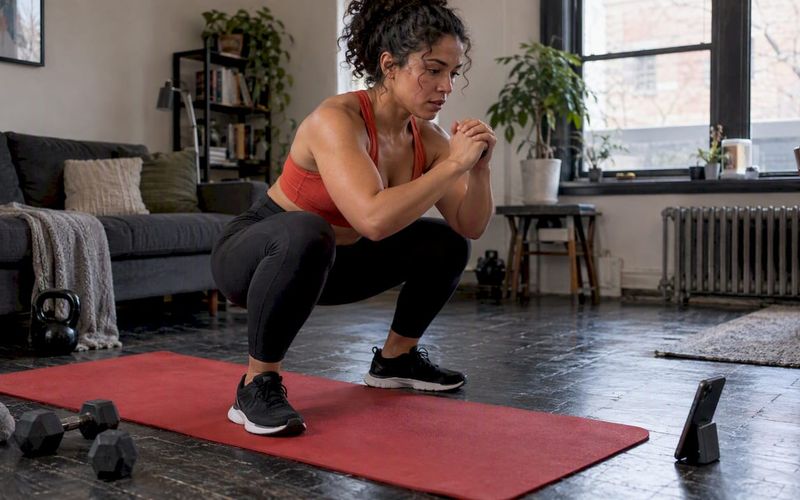
Fitness Flow combines gym management with a branded member app featuring live classes and gamified features to support engagement beyond the gym floor.
Table of Contents
- Why programming is now a strategic capability
- What to require in workout-programming software
- How to roll out programming features without disrupting members
- Measuring whether programming is actually working
- What I’d prioritize first
- How Fitness Flow covers the checklist
- FAQ
- Sources
Why programming is now a strategic capability
Independent gyms used to treat workout programming as a back-office task, something a coach scribbled on a whiteboard. That has changed. The Digital Pulse 2026 benchmark report finds that the biggest barriers to digital transformation in gyms are organizational, not technical: unclear ownership, weak content strategy, and no cross-functional buy-in. Gyms that treat programming as a strategic channel, owned jointly by operations, coaching, and marketing, tend to turn it into 24/7 brand connectivity instead of a seasonal checklist item.
That context matters because it reframes the decision. Buying software is the easy part. The harder part is deciding who owns program design, how content gets refreshed, and how success gets measured.
- Programming becomes a retention lever when it is owned, not just installed.
- An all-in-one platform with a branded app removes the friction of stitching together separate scheduling, delivery, and tracking tools.
- Platforms that report measurable outcomes, such as a 27% average retention lift and 12 administrative hours saved weekly on Fitness Flow, show what’s possible when programming is treated as core infrastructure.
The upside for studios is direct: engaged members renew longer, and staff spend less time on manual scheduling and more time coaching.
What to require in workout-programming software
Not every platform that claims “programming” actually covers the full workflow. Use this checklist when comparing vendors or writing an RFP.
- Creation: program templates, searchable exercise libraries, hierarchical builders (phase, week, session, block), and AI-assisted program generation for faster first drafts.
- Scheduling: class and program calendars, recurring programming blocks, waitlists, member booking rules, and calendar export options.
- Delivery: a branded member app, on-demand class libraries, live streaming, push notifications, and automated program reminders.
- Tracking: workout completion logging, progress history, wearable sync, and auto-generated member reports, enhanced by automated tracking camera system for outdoor youth sports.
- Personalization and rules: conditional progressions, performance-triggered adjustments, and cohort-based rule sets for different goals or skill levels.
- Integration: API-first architecture, CRM and payment links, single sign-on, and compatibility with wearables and gym equipment.
- Operations: coach assignment, role-based permissions, waiver storage, and bulk-program tools for onboarding entire classes at once.
Group-focused studios in particular benefit from ready-made templates rather than building every class from scratch; see these group class programming templates for a sense of what that looks like in practice.
Pro Tip: Score each vendor against this checklist before a demo, not during one. You’ll ask sharper questions and spot gaps faster.

How to roll out programming features without disrupting members
A phased rollout keeps risk low and gives staff time to adjust. The WJARR 2026 software ecosystem analysis documents an API-first, multi-layered architecture behind modern fitness systems and recommends a similar phased path: foundation, expansion, optimization.
- Foundation (weeks 1-6): audit current technology and content, inventory existing programs, assign staff roles, select a pilot cohort, and confirm network and app performance at your facility.
- Pilot (months 1-3): configure templates, onboard coaches and pilot members, and collect feedback on usability and compliance before wider release.
- Scale (months 4-12): expand member access, connect wearables and third-party content, and launch engagement campaigns or premium program tiers.
- Optimize (12+ months): review KPIs, refine personalization rules, and introduce monetization for advanced programs.
The same WJARR analysis recommends piloting with a portion of members or equipment before a full rollout, which limits disruption while validating the workflow. Skipping staff training and data governance during this phase is the most common failure point, along with over-automating personalization before coaches trust the system and under-communicating changes to members who are used to the old process. A detailed sequence for this kind of rollout is laid out in this gym software implementation playbook.
Pro Tip: Run your pilot with the coaches most likely to give you honest, critical feedback, not the ones who will tell you it’s great to be agreeable.

Measuring whether programming is actually working
Numbers settle arguments about whether programming features are earning their subscription cost. Track a small set consistently rather than a dashboard full of vanity metrics.
- Retention and churn: compare members enrolled in structured programs against those who aren’t.
- Program completion rate: the share of assigned sessions actually finished.
- Active users and attendance uplift: app logins and class attendance before and after rollout.
- ARPM (average revenue per member): whether programmed members spend more over time.
- Operational metrics: admin hours saved, time to assign a new program, and coach utilization.
A simple cohort dashboard, tracking retention at 3, 6, and 12 months for program participants versus non-participants, is one of the most persuasive forms of ROI evidence an operator can build, according to the Digital Pulse 2026 report. Review engagement signals weekly, performance monthly, and full ROI quarterly so small problems get caught before they become churn.
What I’d prioritize first
If you’re evaluating programming features for the first time, start with delivery, not creation. A beautiful program builder is wasted if members never see their workouts because the app is clunky or notifications don’t fire. Get delivery and tracking right first, then layer in more advanced creation tools.
The harder balance is automation versus coach-led personalization. AI-assisted program generation speeds up the first draft, but members still want to feel like a human is adjusting their plan when life gets in the way, an injury, a bad week, a goal change. The platforms that win long term treat automation as a starting point for coaches, not a replacement for them.
— Louis
How Fitness Flow covers the checklist
We built Fitness Flow specifically so independent gyms don’t need five subscriptions to run programming. Instead of stitching together a scheduling tool, a separate app, and a spreadsheet for tracking, we put creation, scheduling, delivery, and analytics in one system with a fully branded member app.
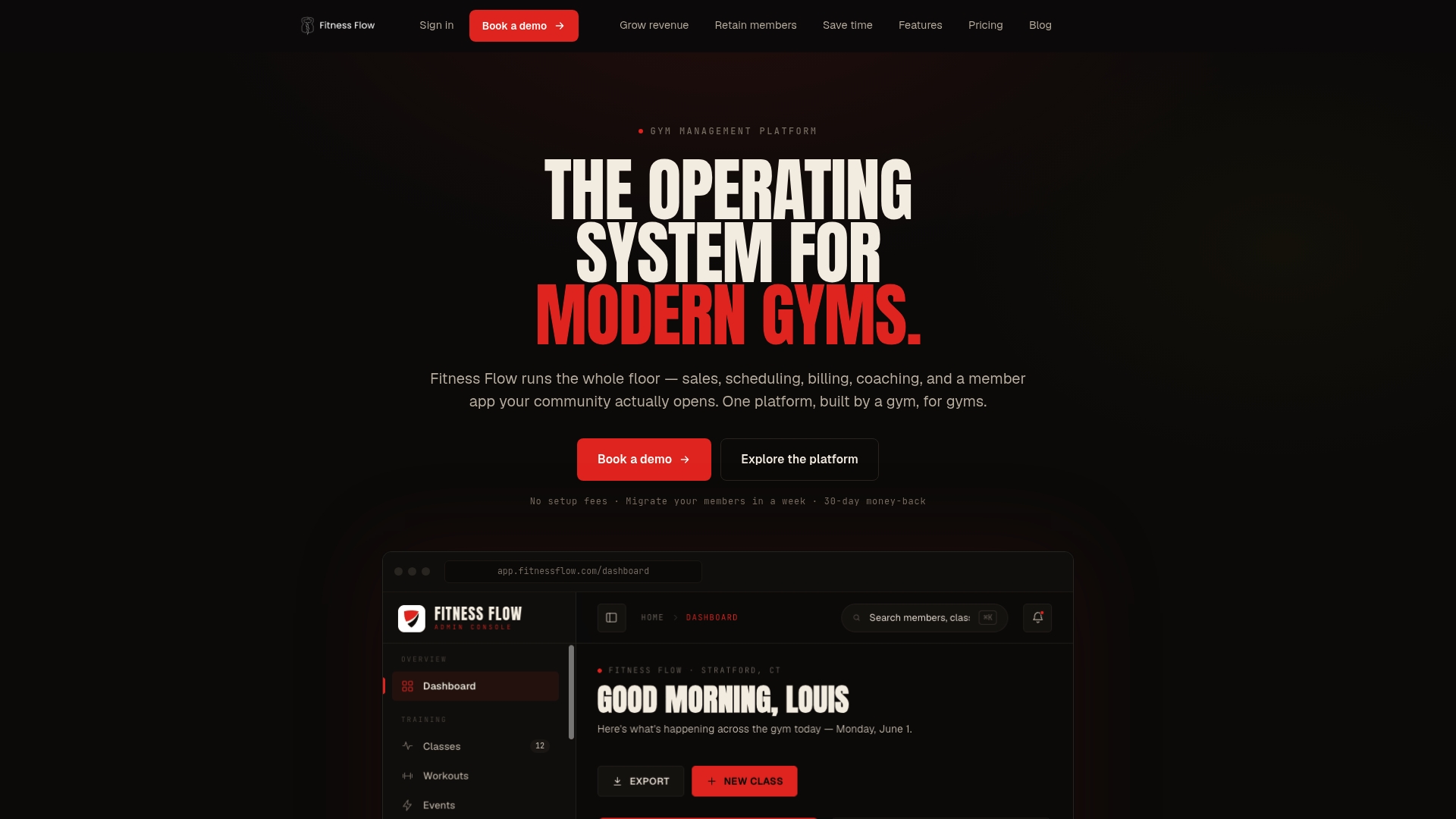
- Creation: program templates and an exercise library so coaches aren’t starting from a blank page.
- Delivery: a branded app with live and on-demand classes, so members stay connected between visits.
- Tracking and analytics: completion data and member reports that feed directly into retention decisions.
We report operational gains for gyms running on our platform, reflecting improvements in both member retention and administrative efficiency.
PlanPriceBest for
Solo
See the pricing page for current details
Single-location gyms and studios
Studio
See the pricing page for current details
Growing studios needing more capacity
Multi-site
Available on request
Multi-location gym operators
If you’re ready to see this in action, you can explore plans at Fitness Flow or request a walkthrough tailored to your gym’s size and goals.
FAQ
What’s the difference between workout programming and a workout plan?
Workout programming refers to the software features a gym uses to build, schedule, deliver, and track member workouts at scale, while a workout plan is the individual routine a member follows. In a gym management context, programming is the system behind the plans, not the plans themselves.
How long does it take to roll out new programming software?
Based on the WJARR 2026 phased roadmap, a foundation phase typically runs weeks one through six, with a pilot extending through month three and full scale-up by month twelve. Timelines vary by gym size and how much existing content needs migrating.
Do I need wearable integration for programming to work?
Wearable integration isn’t required to start, but it supports stronger personalization and progress tracking as programs mature. An API-first platform makes adding wearable sync easier later without a full system rebuild.
What does Fitness Flow cost?
Fitness Flow offers Solo and Studio plans, with pricing details available on their website and Multi-site pricing available on request for larger operators.
How do brands use AI and community features together in programming?
Coverage of IHRSA 2024 shows how major fitness brands pair AI-driven assessments with branded apps to group members by goal or skill level, then use community features like challenges to drive engagement and upsells. The same logic applies at smaller scale: assessment data plus community features inside a branded app can support both retention and revenue.
Sources
- Digital Pulse 2026 — Fitness Industry Technology Council
- Technological integration in fitness equipment - WJARR 2026
- IHRSA 2024: Fitness Brands Balance AI & Community - Athletech News